
Genius - A Very Short Introduction
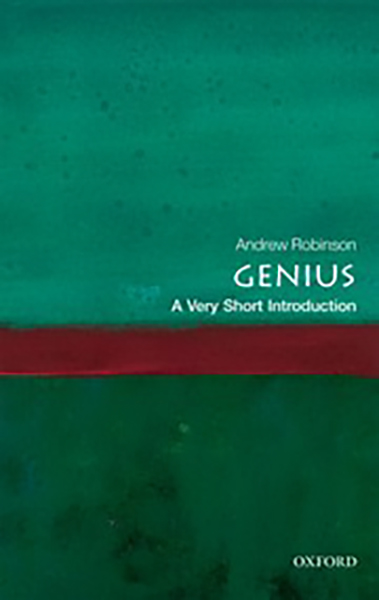
Borító: Ragasztott
ISBN: 9780199594405
Méret: 111 * 174
Tömeg: 121 g
Oldalszám: 152
Megjelenés éve: 2011
ISBN: 9780199594405
Méret: 111 * 174
Tömeg: 121 g
Oldalszám: 152
Megjelenés éve: 2011
-10%
3 680 Ft
3 312 Ft
Előrendelés(Bejelentkezés szükséges)
A kedvezményes árak kizárólag a webshopunkon keresztül leadott megrendelésekre érvényesek!
Genius - A Very Short Introduction
Genius is highly individual and unique, of course, yet it shares a compelling, inevitable quality for professionals and the general public alike. Darwin`s ideas are still required reading for every working biologist; they continue to generate fresh thinking and experiments around the world. So do Einstein`s theories among physicists. Shakespeare`s plays and Mozart`s melodies and harmonies continue to move people in languages and cultures far removed from their native England and Austria. Contemporary `geniuses` may come and go, but the idea of genius will not let go of us. Genius is the name we give to a quality of work that transcends fashion, celebrity, fame, and reputation: the opposite of a period piece. Somehow, genius abolishes both the time and the place of its origin.
This Very Short Introduction uses the life and work of familiar geniuses-and some less familiar-to illuminate both the individual and the general aspects of genius. In particular: the roles of talent, heredity, parenting, education, training, hard work, intelligence, personality, mental illness, inspiration, eureka moments, and luck, in the making of genius.
Table of Contents:
1: Defining genius
2: Not running in the family
3: The schooling of genius
4: Intelligence versus genius
5: Genius and madness
6: Chameleon personalities
7: Art versus sciences
8: Eureka experiences
9: Perspiration and inspiration
10: Genius and us
Author Information:
Andrew Robinson is the author of some twenty books covering both the arts and the sciences, which have been acclaimed by both national newspapers and specialist journals. They include Sudden Genius? The Gradual Path to Creative Breakthroughs, a biographical study of genius, and five biographies of exceptionally creative individuals in a wide range of fields: the physicist Albert Einstein (A Hundred Years of Relativity, 2005), the film director Satyajit Ray (The Inner Eye, 1989), the writer Rabindranath Tagore (The Myriad-Minded Man, 1995), the archaeological decipherer Michael Ventris (The Man Who Deciphered Linear B, 2002), and the polymath Thomas Young (The Last Man Who Knew Everything, 2006).